A plane ticket can feel ordinary, yet it can redraw a whole life. A Jamaican student stayed in the United States after a school trip and faced years without papers. Survival demanded patience, work, and quiet courage. Military service later offered a lawful route, and citizenship shifted from distant hope to real plan. The same arc also shows how discipline and study can turn uncertainty into a career built on care.
The decision that changed everything, in plain daylight
In 1989, Lincoln Coffie was a high school senior in Jamaica. He lived with a foster family, because his father died when he was 13. School filled his days, and the future felt unsure. A school trip to Miami, Florida, was coming. He carried hope, and he carried loss.
Before he left, his foster parents sat him down for a serious talk. They said the trip would not end with a return flight. After the visit, they would arrange for him to stay in the United States. The choice meant leaving classmates, routines, and home behind, quietly.
Hope arrived with a risk he could not measure. Home ties still mattered, yet the opportunity felt rare. He stepped into a new life with no clear map. Uncertainty followed, and the stakes stayed high. Much later, citizenship would become the marker of safety he kept chasing.
Living without papers while chasing citizenship
Life without legal status can shrink choices. Work becomes limited, and plans often stay short term. Paperwork blocks many doors, from renting to studying. Savings can stay thin, and trust can feel hard. Coffie’s story begins with that tension, because time moved on. Nights can feel long too.
Everyday tasks can carry quiet stress. A missed bus can lead to a wrong turn, and a simple stop can raise fear. Confidence can drop, yet focus can grow under pressure. He kept looking for a route that could last, and citizenship stayed in view, day after day.
Support often comes in small, human ways. A mentor can explain a form, and a friend can share a lead. Faith groups can also provide stability when life feels fragile. He learned to plan, adapt, and keep moving forward, even when certainty stayed out of reach, for years.
A uniform that opened doors to a legal future
U.S. law offers special naturalization paths for service members. USCIS notes that honorable service can speed the process, and some residence rules can change in wartime periods. Applicants still complete forms, pass checks, and take an oath. The difference is timing, because the system can move faster.
For someone without stable status, that promise can feel life saving. Structure replaces chaos, and teamwork builds belonging. Training also creates habits that hold up under stress. Pay and housing add stability too. In that setting, citizenship becomes linked to service and responsibility. Clear rules help people breathe again.
The choice still carries weight. Military life demands sacrifice, and families carry part of it. Policies can shift, and delays can still happen. Service became a bridge to the future he wanted at last. Clear purpose guided him, and he kept his focus on the long game, steady.
Study, medicine, and citizenship earned the hard way
After service, education often becomes the next test. The VA explains that GI Bill benefits can help pay for school and cover key living costs. That support can turn a goal into a plan, especially for veterans who start from scratch. Coffie pushed into higher study with steady drive.
Public biographies say he earned a bachelor’s degree in forensic science at Baylor University in Waco, Texas. Medical school followed at the University of Texas Medical Branch in Galveston. Those steps demand long nights and tough exams. With citizenship, he could build a career without a legal clock ticking.
His life also grew beyond the classroom. The same biographies describe a family with his wife, Apryl, and four children. They are listed as Lincoln Jr, Lindel, Lael, and Ethan. Training stayed intense, so balance became a daily skill for him. Home routines helped him stay grounded.
Practicing close to home and serving beyond the clinic
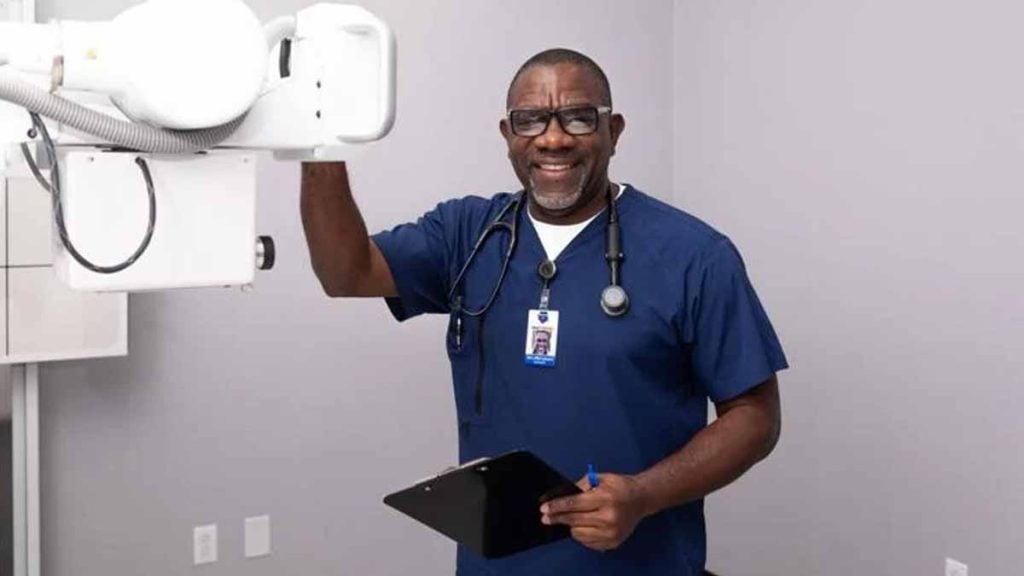
Medicine can become a way to give back, not only a job. Coffie has ties to community care in Central Texas. Nonprofit records list him as a medical director for the Greater Killeen Free Clinic, which serves patients who lack coverage. That role fits a story shaped by need.
Leadership also appears in faith work. Public profiles describe him as senior pastor and overseer of Open Fire International Fellowship in Central Texas. Trust grows in more than one place, and service can take many forms. In that life, citizenship sits beside duty and daily responsibility, for others.
The lesson feels practical, not dramatic. One risky choice can start a long chain of choices. Support matters, and effort matters too, in return. When skill meets service, a whole community can benefit for years. The past becomes fuel, not a limit, for many people over time.
A long journey that still raises hard questions
Nothing about this path was neat or easy. A teenage decision set the course, and the early years demanded grit. Military service offered structure, and education demanded stamina. The goal stayed simple: citizenship as proof of a stable future. The story also shows the hidden cost of living in the shadows, even when the ending turns bright. It also shows what a community can gain when doors finally open wide.