A law license can look permanent, until a court says otherwise. In Connecticut, Hunter Biden accepted the harshest professional sanction after complaints tied to his federal gun and tax cases. The ruling sits beside a presidential pardon, yet it still matters for legal ethics. Behind the headlines, the case shows how bar discipline can ripple across jurisdictions. It also illustrates how consent agreements can settle discipline without replaying every courtroom detail.
A Waterbury hearing and a consent agreement
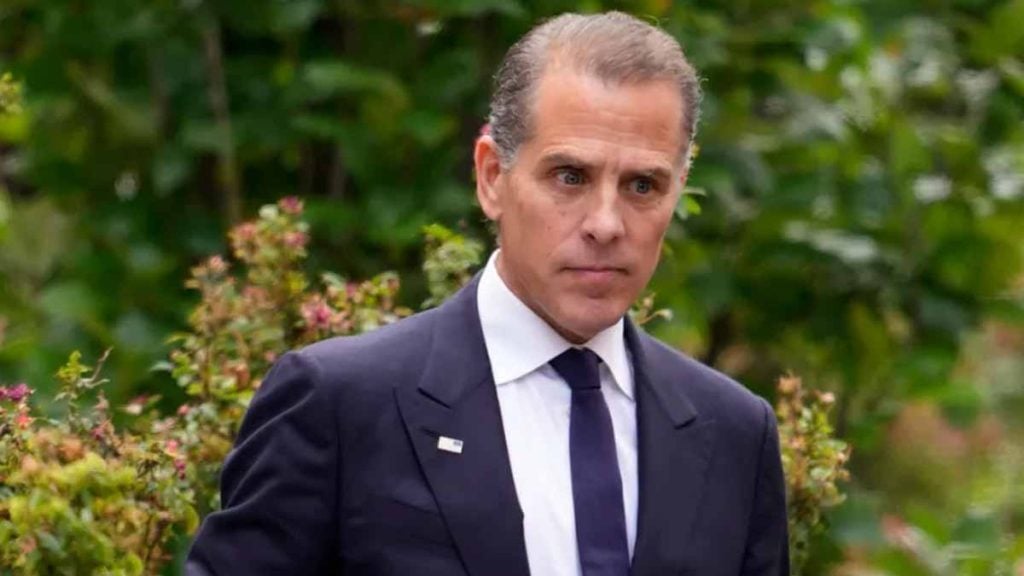
In Waterbury, Judge Trial Referee Patrick L. Carroll III disbarred Hunter Biden on Monday. He and lawyer Ross Garber appeared by video for the virtual hearing. Biden did not speak, while the judge reviewed the discipline papers. The order came after the state office handling attorney discipline sought action.
He signed an agreement with Connecticut’s disciplinary counsel, and he consented to disbarment. He admitted attorney misconduct there, yet he did not admit criminal wrongdoing. Two complaints targeted the federal gun and tax matters that drew convictions and pleas. That path spared a longer hearing on the same record.
Carroll said the record showed violations of several lawyer conduct rules. He highlighted conduct involving “dishonesty, fraud, deceit or misrepresentation” in the court file. In his filings, Biden admitted some allegations, but not every claim raised by complainants. The judge also cited prior Washington, D.C., discipline as support.
How Hunter Biden reached two federal cases
Hunter Biden faced trial in Delaware over a firearm bought in 2018. Prosecutors said he lied on a federal form about illegal drug use or addiction. A federal jury convicted him last year of three felony counts tied to that purchase. Those felonies later triggered professional discipline reviews.
A separate case in California focused on unpaid taxes. Prosecutors said he failed to pay at least $1.4 million. Trial was scheduled for September 2024, so jury selection was about to start. He agreed to plead guilty hours before jury selection began. The deal included misdemeanors and felonies.
Former President Joe Biden issued a full pardon on December 1, 2024. It covered federal conduct from January 1, 2014, through that day. Connecticut still treated the convictions and plea as the professional record behind the complaints. The pardon mattered, yet it did not erase that record.
Complaints, objections, and what the ethics system weighs
In discipline cases, the court asks whether a lawyer’s conduct breaks professional rules. Under the agreement, Hunter Biden accepted misconduct findings, while denying criminal admissions. That split matters because ethics sanctions can rely on convictions and pleas already entered. It also limits what the judge must relitigate.
Paul Dorsey, one of two complainants, told the judge he opposed the deal. He argued the sanction felt hollow without a direct admission of crimes. From his view, the public deserved a clearer statement of responsibility. He raised the issue during Monday’s hearing, before the judge approved disbarment.
Leanne Larson, speaking for the Office of Chief Disciplinary Counsel, responded to that objection. She pointed to the presidential pardon as context for why crime admissions were not required. Carroll ultimately treated the consent terms and the record as enough to impose discipline. The order formally closed the Connecticut case.
Why bars watched after Hunter Biden in Washington
Washington, D.C., took action first, and the timing mattered. He was disbarred there in May, after his felony conviction and tax plea. Court records show he consented to that result, which can end a longer disciplinary proceeding. The D.C. Court of Appeals then issued the formal order.
When one jurisdiction removes a license, others often review the same misconduct. Connecticut’s judge cited that earlier outcome, so Hunter Biden faced aligned sanctions. This process protects clients across state lines, especially for lawyers with multiple admissions. It also reduces the chance that one bar becomes a loophole.
In D.C., discipline can begin with automatic suspension after a felony verdict. By choosing consent disbarment, a lawyer accepts the loss while limiting procedural fights. Connecticut’s decision followed that logic, and it treated the public record as settled. That approach kept the focus on professional standards, not political noise.
Bar status since 1997, and what disbarment changes
Connecticut admitted him to the bar in 1997, one year after Yale Law School. Reports suggest he has not practiced much in the state in recent years. A bar membership still signals fitness, so serious misconduct can bring permanent removal. That is the practical meaning of a disbarment order.
Disbarment ends the right to appear in court, sign pleadings, or advise clients as counsel. For Hunter Biden, it also cements the discipline record created by the consent agreement. Even when a lawyer is inactive, the sanction protects the public and the courts’ integrity. It draws a hard line.
Connecticut’s Judicial Branch runs the grievance system through dedicated offices. The Office of Chief Disciplinary Counsel pursues complaints, while the Statewide Grievance Committee hears cases. Those bodies aim to protect clients and maintain confidence in the profession’s rules. Courts then enter final orders when disbarment is warranted.
What the Connecticut decision signals beyond one career
Connecticut’s ruling shows how quickly criminal findings can reshape a professional credential. A pardon may stop punishment, yet bars still guard honesty. Consent disbarment speeds the process and records misconduct for the public. The hearing also drew objections, and the court still moved ahead. Legal ethics rules reach beyond politics, even in famous cases. For Hunter Biden, the order closes one license path and leaves a clear public record behind.