A border checkpoint can feel like a fast gate, until it becomes a long standoff. A U.S. citizen says officers held him for hours after he landed in Houston. He says they demanded he unlock personal devices. He says they also claimed the Fourth Amendment offered no protection at the border. One refusal turned into a test of power. CBP now faces a lawsuit that asks where privacy ends and rights begin.
A four-hour detention that started without an explanation
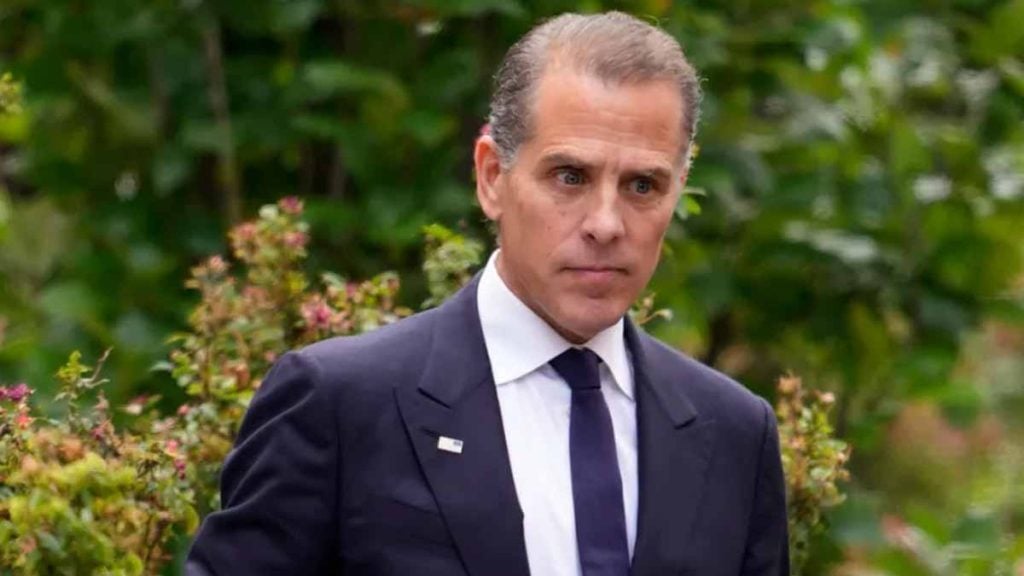
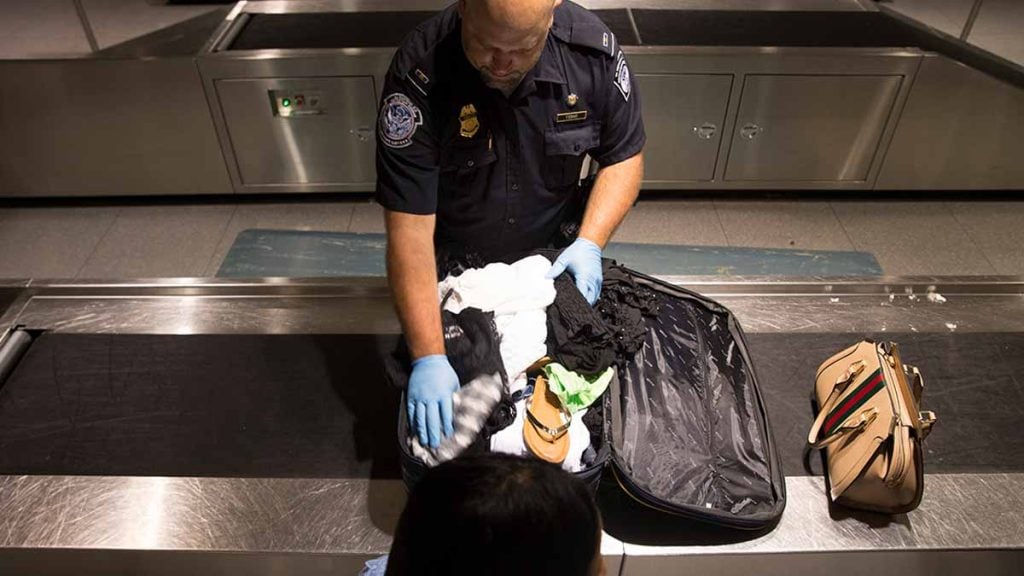
On July 21, 2025, Wilmer Chavarria says CBP detained him at Houston Bush Intercontinental Airport, known as IAH. He had returned from Nicaragua. He says officers gave no reason, separated him from his spouse, and directed him to secondary screening. He says the hold lasted about four hours.
During that wait, he says officers demanded his laptop, phone, and tablet. They also pushed for passwords to access them. He says he objected, then heard a blunt answer. Officers told him he had no Fourth Amendment rights at the border. His pushback, he says, looked “suspicious” to them.
He says officers denied calls to family or a lawyer. Hours alone wore him down, so he handed over devices and passcodes. He now sues over the detention and search, and he argues consent was forced. View From The Wing covered the dispute, and the claims sound far from routine.
How CBP described constitutional rights at the border
The lawsuit says officers told a citizen the Fourth Amendment simply does not apply at the border. That line should stop travelers cold. The amendment protects people against unreasonable searches and seizures, so the claim rewrites a basic rule. Rights should not vanish at an airport gate.
The text also links warrants to probable cause, backed by an oath or affirmation. It requires a clear description of what gets searched and what gets seized. It names “persons, houses, papers, and effects,” which helps explain why digital life matters. A phone often holds modern “papers.”
No airport exception appears in that language, and CBP cannot create one by pressure alone. Courts have noted that phones hold far more than a bag. Broad access invites fishing trips, and those trips clash with probable cause limits. Once a device opens years of data, restraint matters.
Why a smartphone is not a suitcase
A suitcase holds items from one trip, while a phone holds a life. Messages, photos, health notes, bank records, and location trails often sit there on most days. In Riley v. California, the Supreme Court said police generally need a warrant to search phone data after arrest.
Cloud access deepens the reach, since accounts can stretch beyond the device. Opening a zipper shows objects, yet opening a phone can reveal habits. Border power may be broad, though limits matter when the target is personal data. The law strains when old rules meet new tools.
A device is not contraband, and it is not merchandise. It can act as a diary, wallet, and address book at once. Deep searches feel personal, not commercial. CBP can inspect goods, yet a sweep can turn inspection into surveillance. Clear boundaries protect everyone in the terminal.
Detention pressure and the risk of CBP-style forced consent
The lawsuit also challenges how consent was obtained. Holding a citizen for hours can become leverage, not mere delay. He says the message felt simple: unlock devices or stay stuck before reentry. Under that strain, agreement starts to look less voluntary. A long wait can turn “choice” into surrender.
He says officers warned that asserting rights looked suspicious. He also says they blocked contact with family and a lawyer. That isolation changes decisions, since time and fear do the work of persuasion. The problem is not only what was searched, but how the search was secured.
Consent gained under pressure rarely looks like real consent. The complaint says CBP used detention as coercion, then treated compliance as permission. If courts accept that pattern, travelers may face the same squeeze. A right that survives only in easy moments is not sturdy. Judges now must say so.
Why this dispute reaches far beyond one traveler
Some people say only those with something to hide should worry. That idea fails, since daily work creates sensitive files. Business travelers carry private plans and mail. Journalists protect sources. Doctors store patient details. Lawyers hold client data. Ordinary travelers carry intimate photos and chats on their devices.
If access can be compelled without a warrant, suspicion becomes optional. The airport can become a constitutional vacuum zone, where detention replaces judicial oversight. No terrorist attack, or fear of one, should justify open-ended fishing through personal data. The complaint warns this approach is already spreading.
Chavarria’s lawsuit pushes back and asks courts to draw a bright line. Critics reject the claim that privacy vanishes near the border. View From The Wing called this an easy call. Courts can rubber-stamp security, and some warn of a police state. CBP power grows when judges stay silent.
Travel already costs privacy, but rights should not disappear
Travel forces people to share IDs and submit to checks, and most accept that tradeoff. That reality does not mean citizens surrender protection from unreasonable searches. If CBP truly believes the Fourth Amendment vanishes at the border, the lawsuit becomes essential, not optional. The outcome will shape how digital life is treated at airports, including phones and laptops. A clear line would protect security needs while keeping liberty real, even when it feels inconvenient.